Badminton · Shot Placement Follow-up
Xiaofei: the placement issue is comfort, not just errors
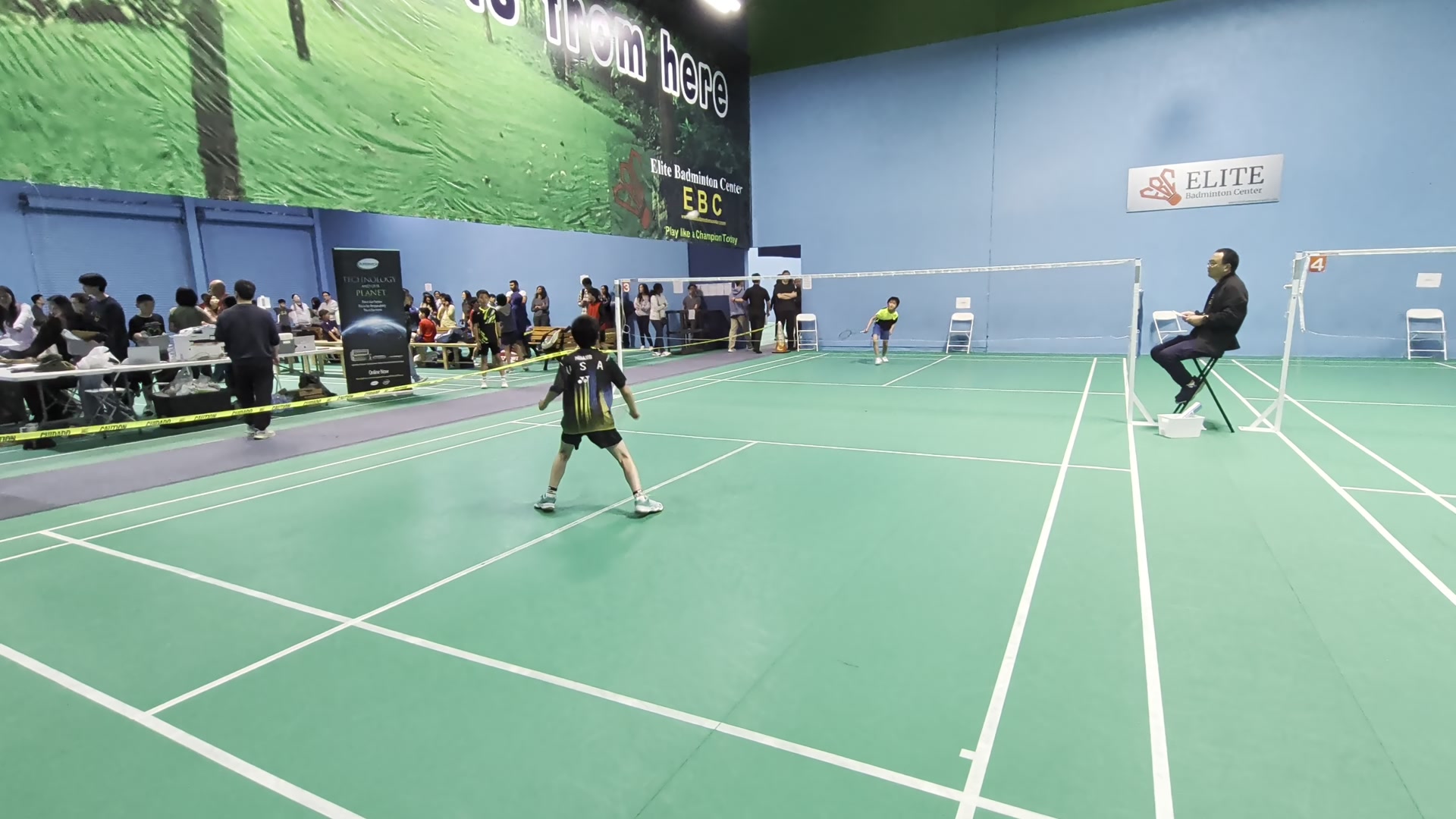
This follow-up answers Xiaofei's request: can we analyze shot route, landing zone, and result? Yes, but this wide phone video supports zone-level placement review, not precise line calling. The target player remains the near-side black/yellow player.
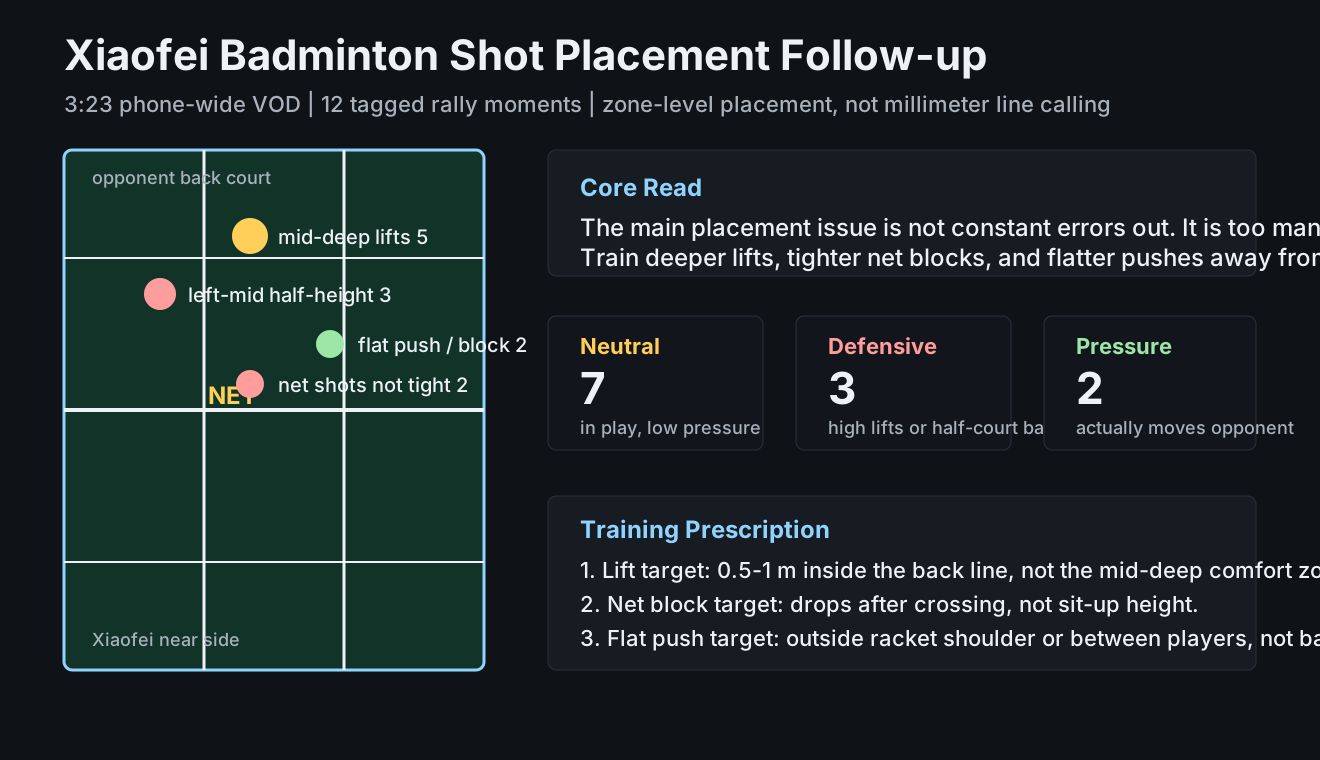
Fast Read
Many returns are playable but land in middle or mid-deep comfort zones, letting the opponent organize the next shot without moving much.
A few flat pushes and blocks do move the opponent. The touch exists; the target choice needs to be clearer.
Do not chase more power first. Make the same shots deeper, lower, and wider.
Placement Result Table
| Result Type | Count | Meaning | Training Read |
|---|---|---|---|
| Neutral | 7 | In play, but comfortable for the opponent. | The main growth area. Make ordinary balls higher quality, not just safer. |
| Defensive | 3 | High lift or half-court ball after being moved. | Lifting is fine only if it is deep enough: aim 0.5-1 m inside the back line. |
| Pressure | 2 | Flat push or block that makes the opponent move. | Keep this direction: outside shoulder, between players, or tight net drop. |
Evidence boundary: the shuttle often blurs or disappears in phone-wide footage. This table counts tagged visible/inferable rally moments, not full-video automatic tracking.
Evidence Frames
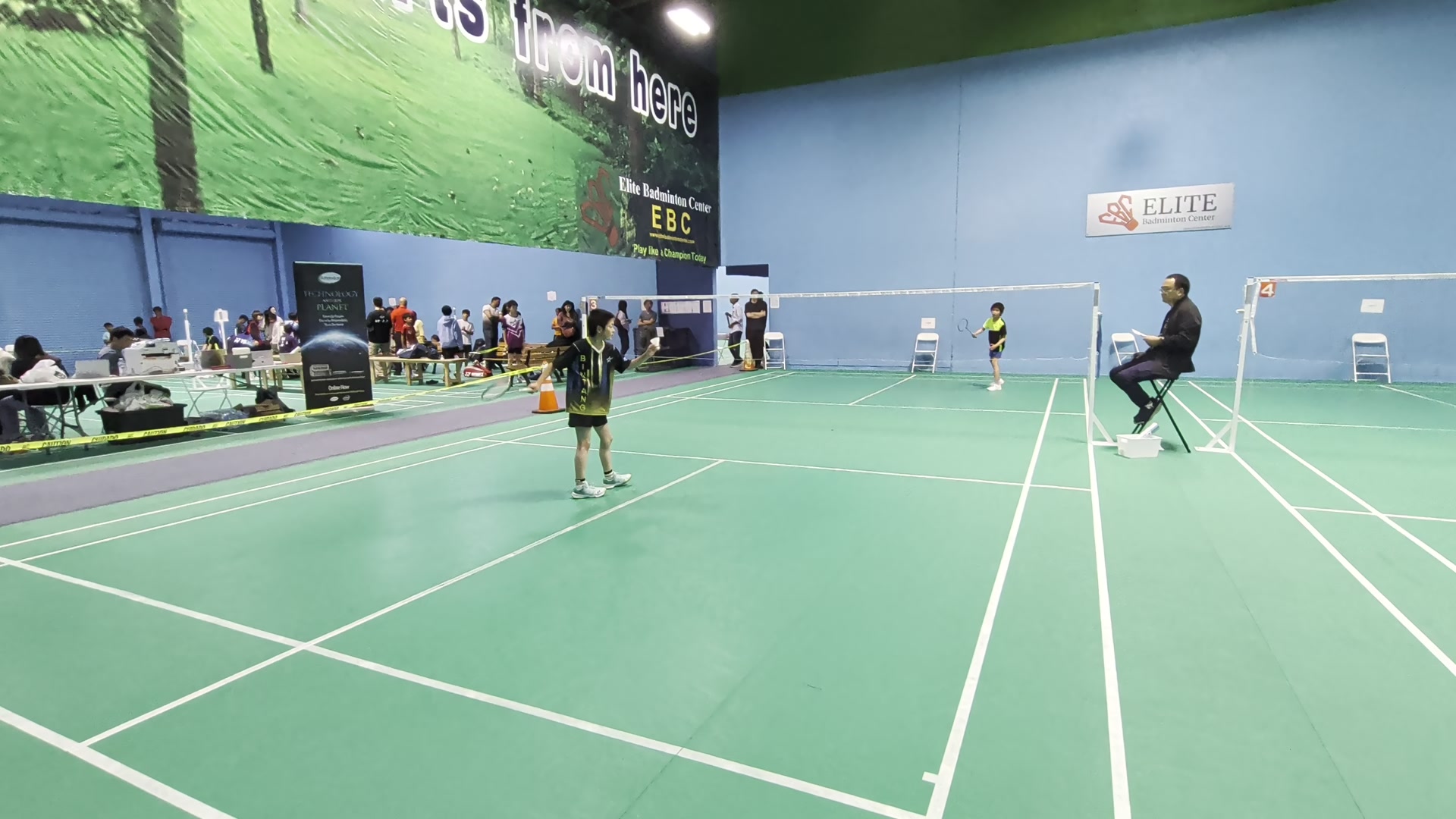
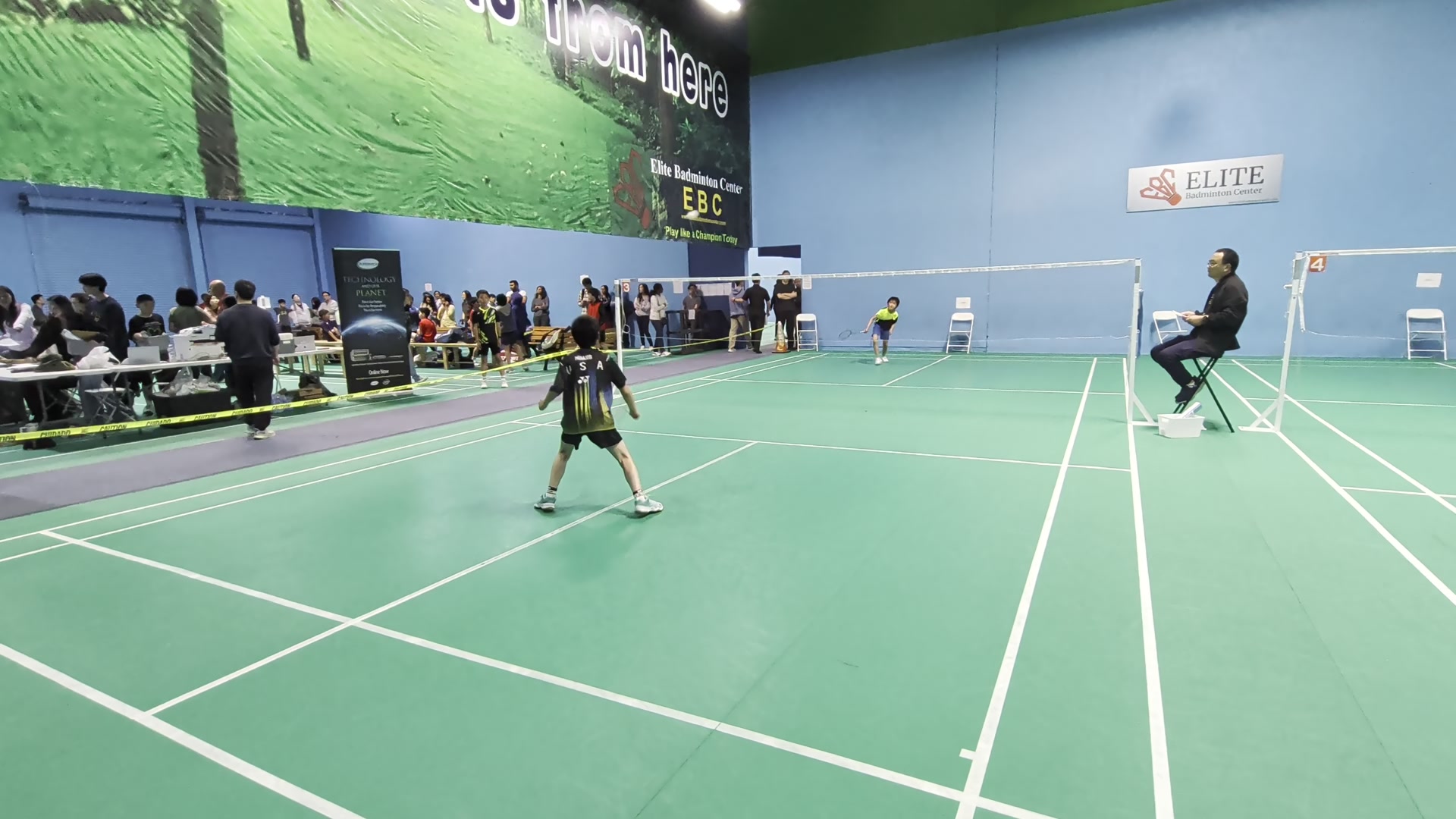
Timestamp Reads
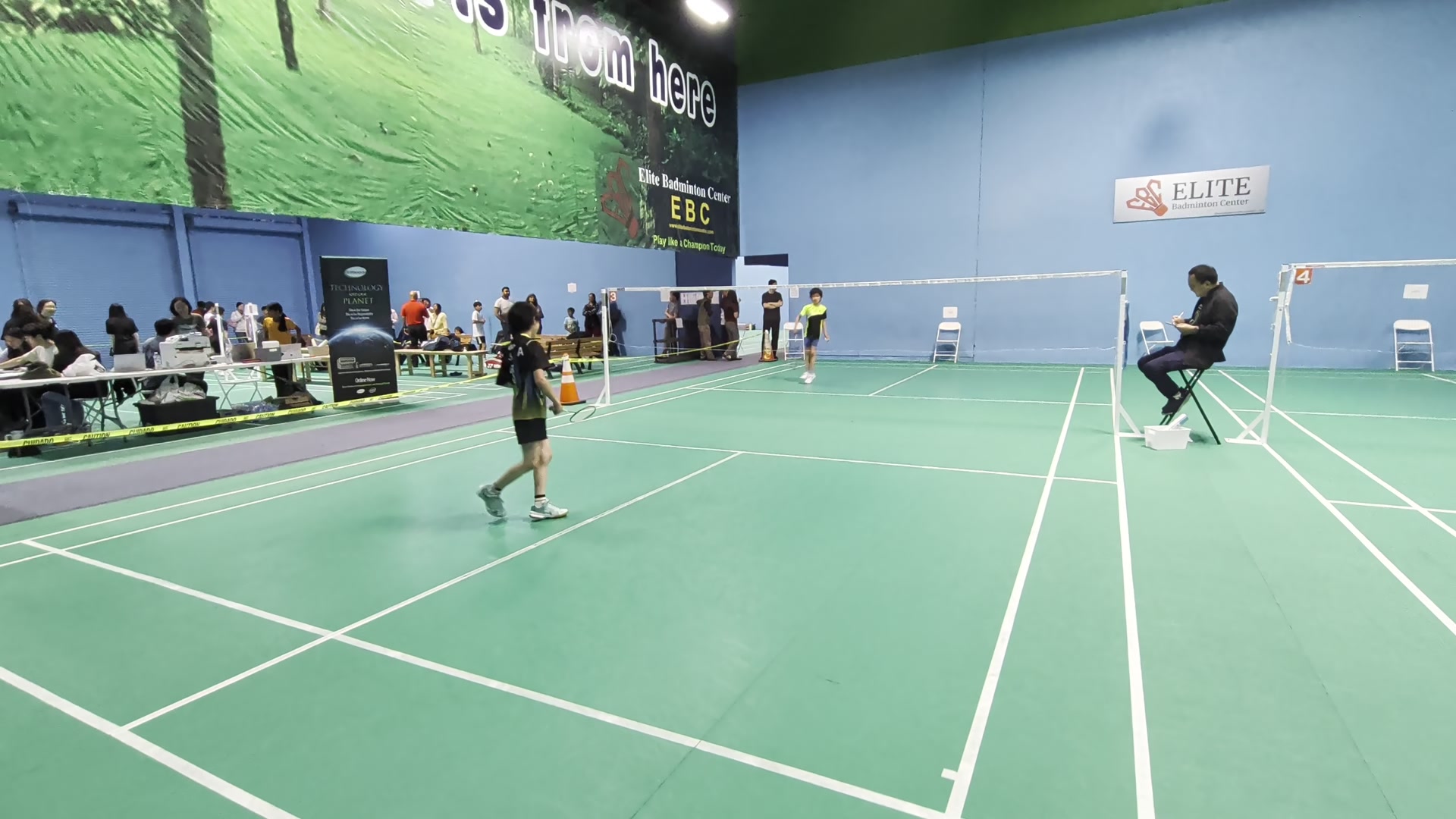
Each timestamp now includes the matching key frame. The shuttle is tiny in this wide camera; high confidence comes from visible shuttle path or opponent response, medium confidence from contact shape, player position, and the next-shot result.
Xiaofei reads the rally, but the return looks more like "get it back" than "make them move."
After moving left, the next return tends to become central. Better options: straight deep zone or tight net short.
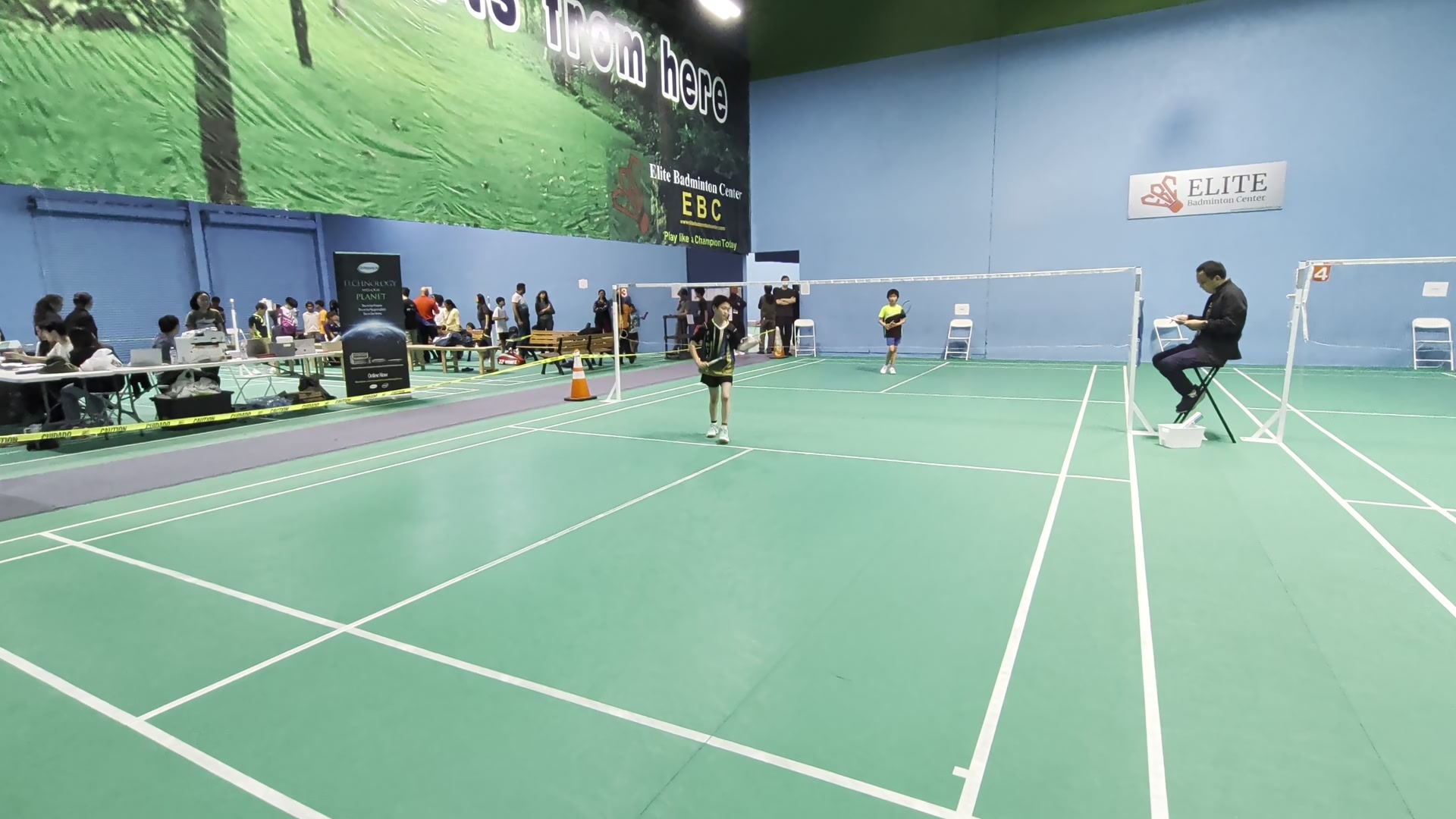
The lift clears the net, but if it does not push the opponent back, it creates an easy next shot. Target should be 0.5-1 m inside the back line.
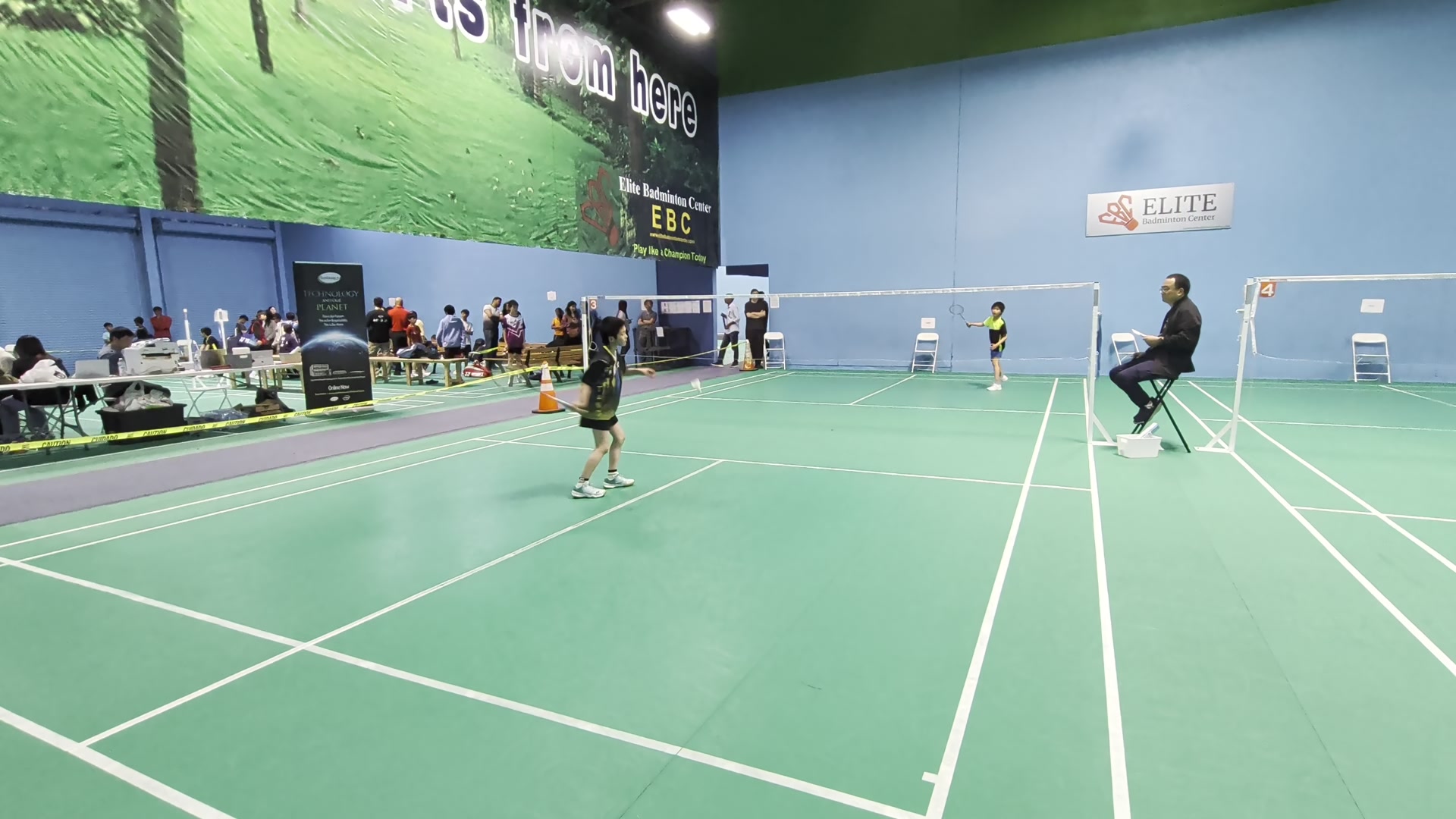
If he blocks the net, the shuttle needs to drop after crossing. Some net-area balls sit high enough to be pushed.
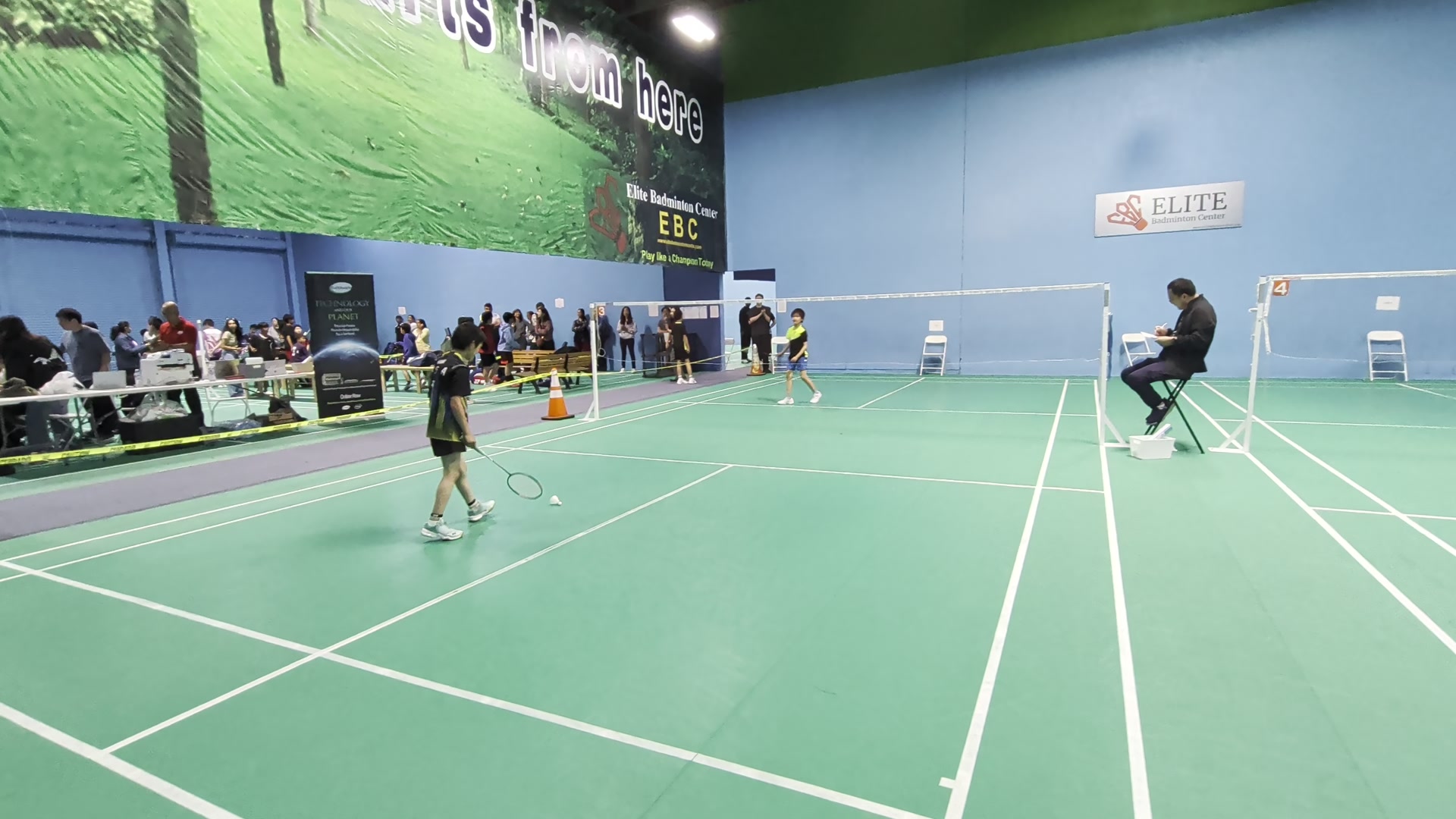
The danger from this position is returning to the opponent's chest. Better targets are between players or outside the racket shoulder.
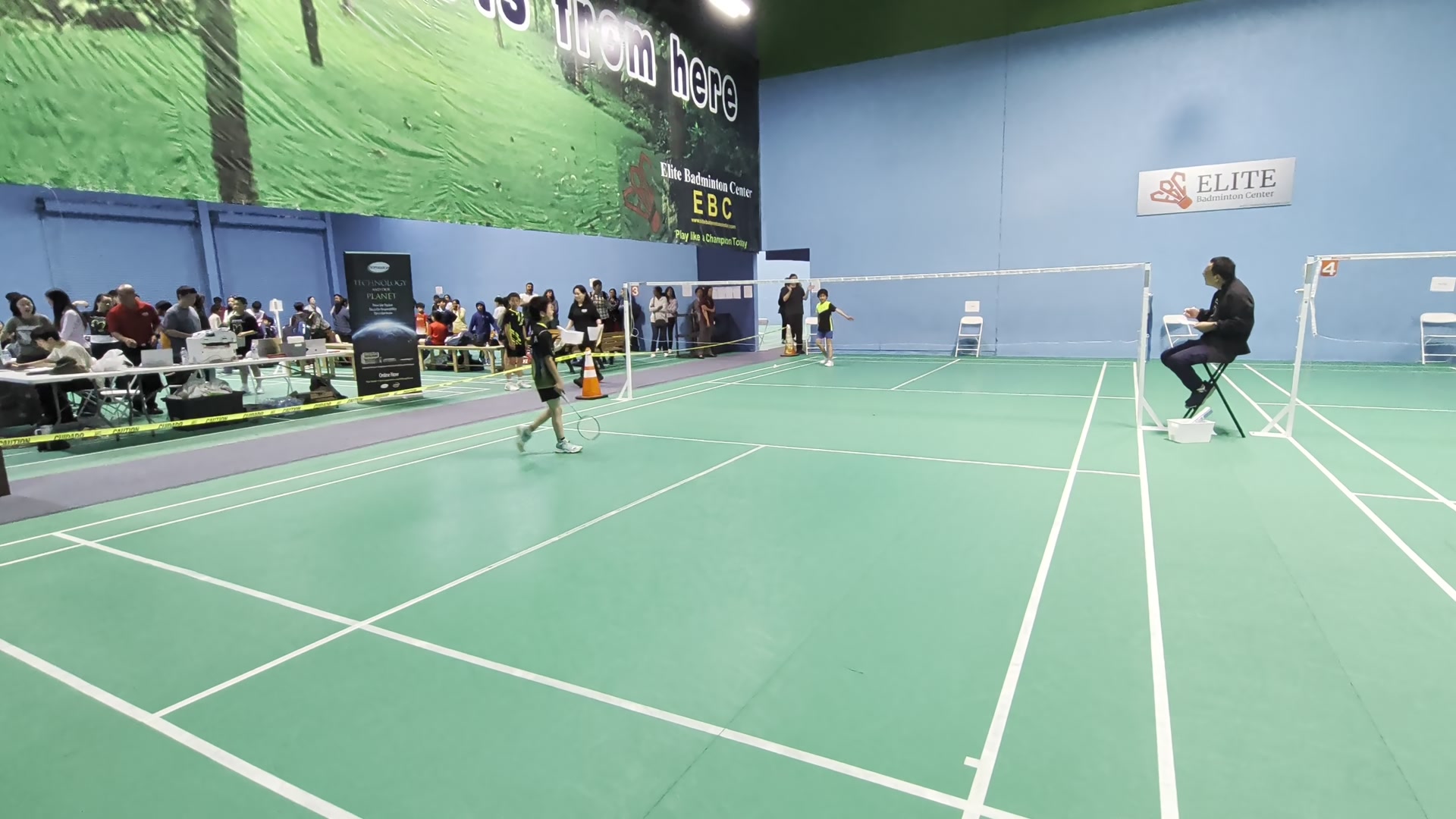
The feet and racket preparation are clearer here. With sharper targets, this stance can produce pressure shots.
Training Menu
- Deep lift 30: target 0.5-1 m inside the back line. Mid-deep comfort-zone landings fail the rep.
- Tight net 30: shuttle must drop after crossing. Do not float it to push height.
- Flat push 30: only two targets: between players or outside the racket shoulder.
- Rally rule: in practice games, any neutral return to the middle chest zone costs one point.